ServicesAutomated Salt Delivery
Automated Salt Delivery in Sun City
We bring softener salt to your home on a schedule set by how fast your system actually uses it. We carry the bags in, fill the brine tank and look for the small problems that quietly stop a softener from working.
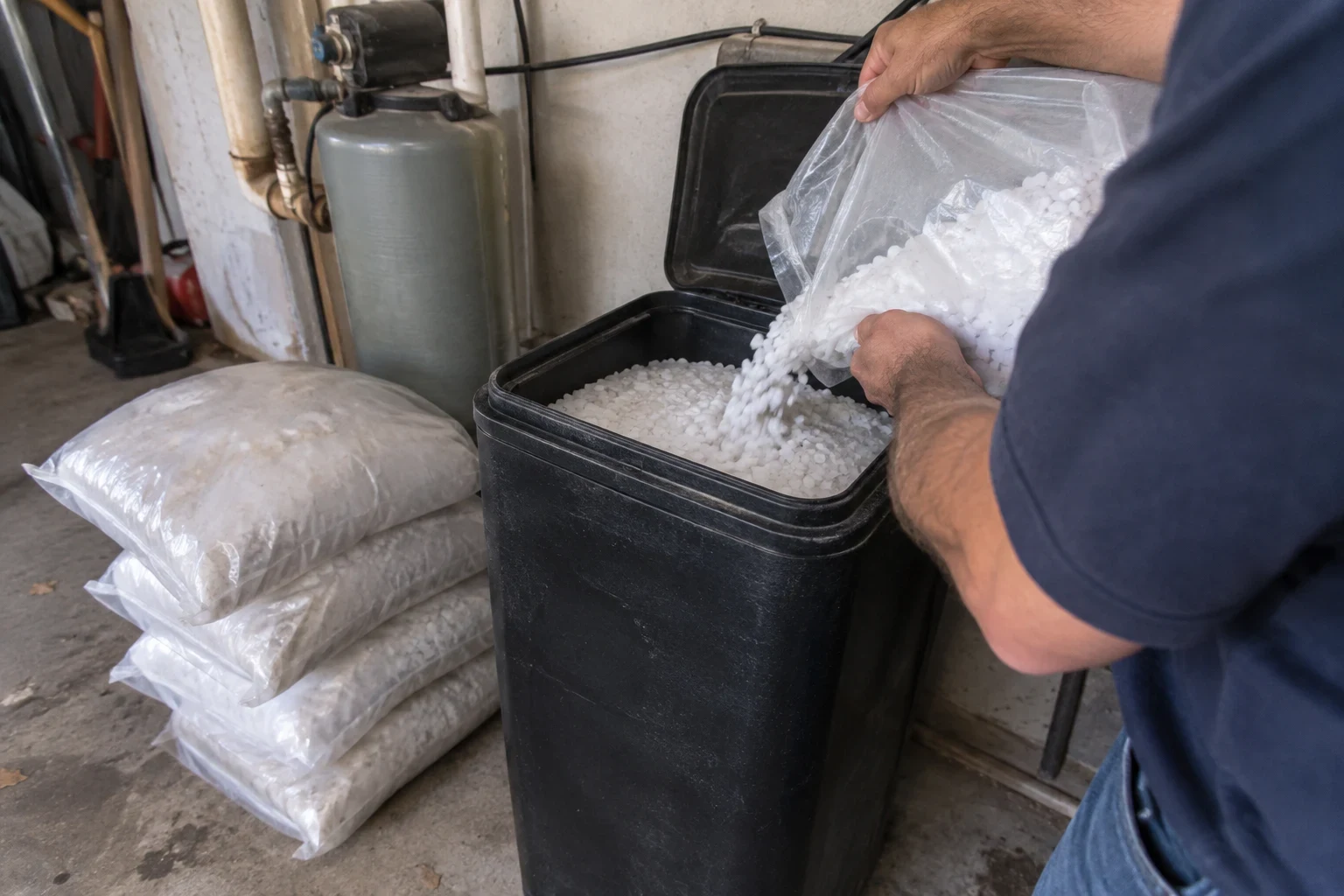
Salt that arrives before you run low
A water softener only works while it has salt to make brine. Once the tank runs dry, hard water passes straight through, and the white crust starts building again on faucets, shower glass and the inside of your water heater. Most people notice only after the spots come back.
Our automated salt delivery takes that job off your list. We work out a delivery interval from your tank size, your softener's settings and how much water your home uses, then show up on that rhythm with the salt you prefer. No forty-pound sacks in the trunk, no lifting them over the lip of the tank.
Each visit is also a quick look inside the brine tank. If we find a salt bridge or a layer of mush, we break it up or clean it out. If something looks off with the softener itself, we tell you plainly whether a cleaning or small repair should sort it before anyone mentions replacing equipment.
What each delivery covers
- Salt carried to the tank
- We bring the bags into your garage, utility room or wherever the softener sits, and pour them in ourselves. Torn bags and loose crystals are swept up before we leave.
- Your choice of salt
- We deliver evaporated salt pellets, solar salt or potassium chloride. Pellets leave the least insoluble residue, which keeps the brine tank cleaner between visits.
- Salt bridge and mush check
- We press down through the salt to confirm it reaches the water. A hard crust that leaves a hollow gap underneath gets broken up, and recrystallized sludge at the bottom gets scooped out.
- A glance at the control head
- We confirm the clock is right after any power outage and that the regeneration setting still matches your household. A wrong time can send regeneration into the middle of your morning shower.
- A note after every visit
- You get a short note on how much salt went in, what the tank looked like and anything worth watching. If the salt level is dropping faster or slower than expected, we adjust the schedule.
Signs a salt schedule would help your home
Spots and scale are back
Cloudy glasses, white rings on fixtures and stiff towels often mean the brine tank ran dry for a while. Hard water across the West Valley shows the gap quickly.
The salt level never seems to drop
A tank that looks full for months usually has a bridge. The salt has fused above the water, so the softener regenerates with plain water and softens nothing.
Lifting the bags has become a chore
Salt bags are heavy and awkward to tip over a tank rim. If you have started putting it off, a delivery schedule removes the lifting entirely.
You are away part of the year
Many households here spend summers elsewhere. Scheduled visits keep the tank supplied so you do not come home to a softener that has been running empty.
You forget until it is empty
Without a reminder, salt is easy to lose track of. A set interval means the tank is topped up before it matters.
What shapes the cost of salt delivery
The price depends mostly on how much salt your softener goes through and what kind you choose. We explain the figures for your home on the phone before the first delivery, so the schedule and the cost are clear from the start.
Type of salt
Potassium chloride costs noticeably more than sodium chloride salt. Evaporated pellets sit above solar salt, though they tend to mean fewer tank cleanouts.
How much your home uses
Household size, water use and the softener's efficiency set how many bags each visit needs. An older timer-based unit often burns more salt than a demand-initiated one.
Delivery frequency
A larger brine tank can stretch the time between visits. A small tank in a busy household needs more frequent stops.
Condition of the brine tank
A tank with heavy mush or a stubborn bridge may need a full cleanout on the first visit. After that, regular visits usually keep it clean.
How we set up and run your deliveries
- 1
A phone call to start
You tell us the softener brand if you know it, where it sits in your home and what salt you use now. We talk through access, such as a side gate or garage code.
- 2
First visit and assessment
We check the brine tank for bridging and buildup, clean it if needed, confirm the control settings and fill it. This visit sets the baseline for your schedule.
- 3
A schedule built on real use
From that first fill we estimate how long a tank lasts in your home and set the interval to match. The goal is never letting it drop below the water line.
- 4
Regular top-ups
We arrive on the agreed rhythm, fill the tank, check it over and leave a note. You do not need to be home if we have access to the softener.
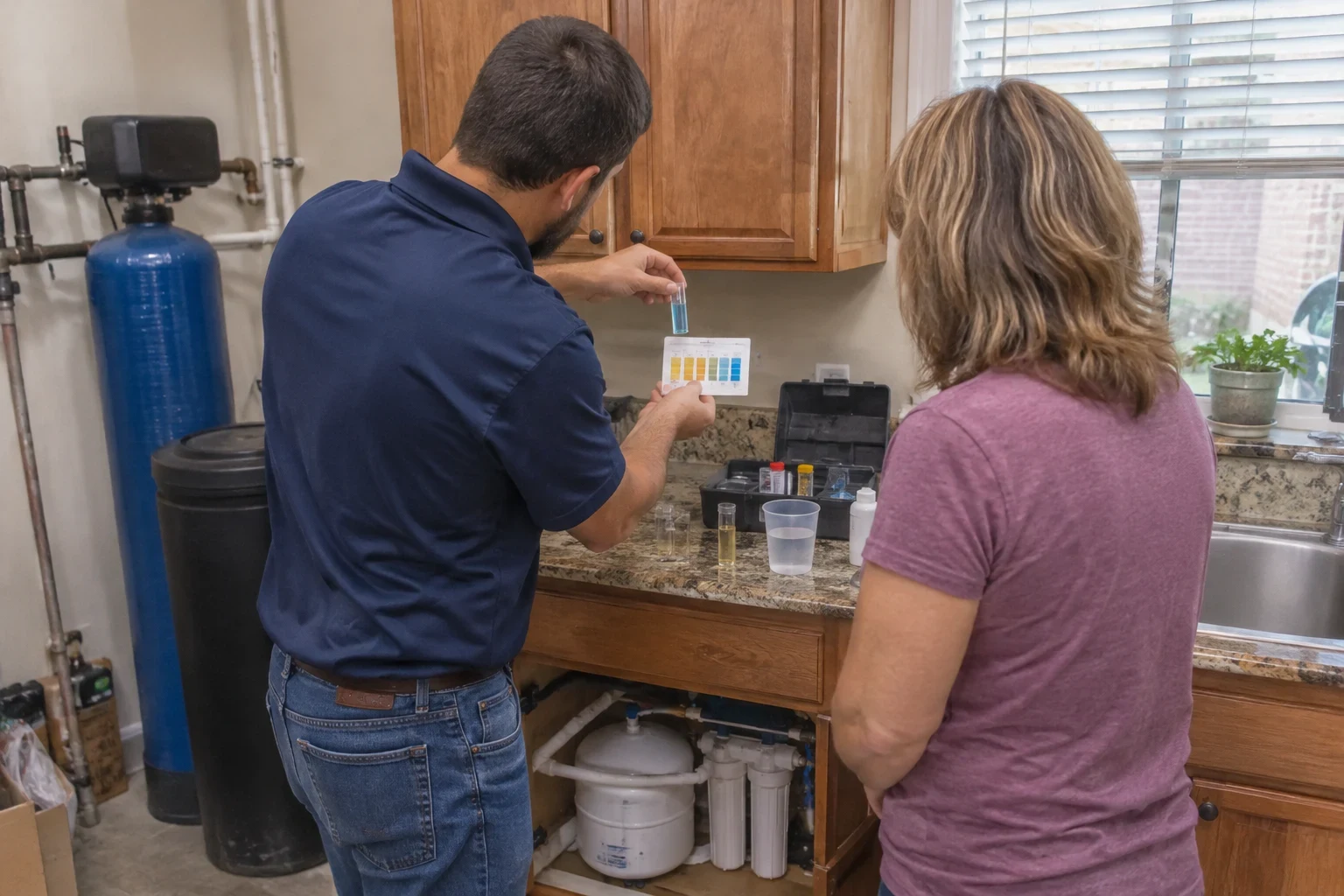
Salt delivery questions
Do I need to be home for each delivery?
No. If we can reach the softener through a garage code, side gate or another arrangement you are comfortable with, we can fill the tank while you are out. We leave a note so you know we were there and what we found.
Will you deliver to any brand of softener?
Yes. Salt delivery does not depend on who made or installed your softener. We fill and check most residential brine tanks the same way.
Can I switch from salt to potassium chloride?
You can. Potassium chloride works in most softeners but is less efficient, so the control usually needs a higher setting and the tank empties faster. We adjust both the setting and your delivery schedule when you switch.
What happens if you find a problem with the softener?
We tell you what we see and what we think it needs. Often a stuck injector, a dirty brine line or a wrong setting is the cause, and a cleaning or small repair is the sensible fix. If the unit is genuinely worn out, we explain why and talk through water softener installation as an option, with no pressure either way.
Can I change or pause my schedule?
Yes. Give us a call if you are traveling, have guests staying or notice the tank emptying faster than usual, and we will move the next visit to suit.
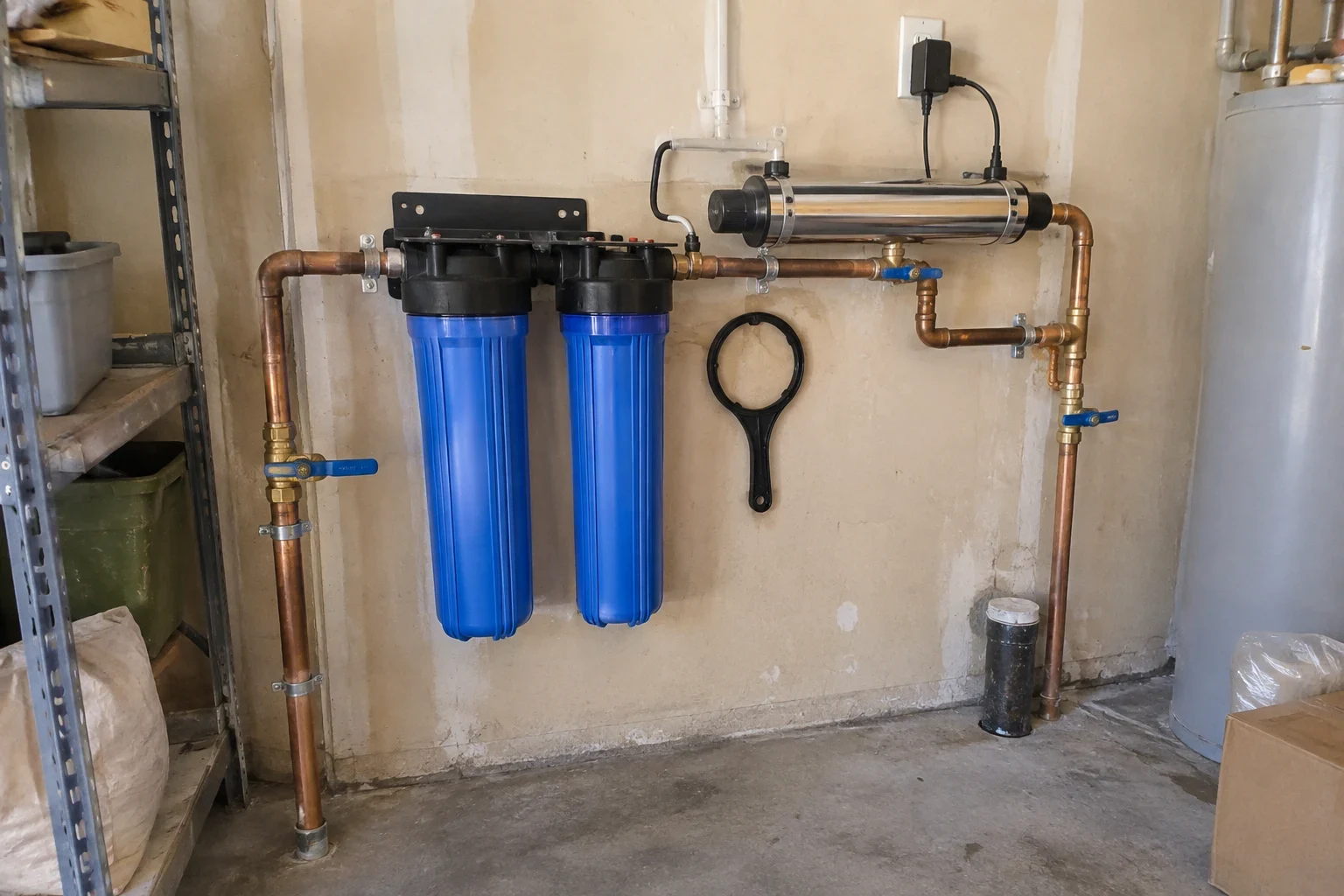
Hand off the salt and keep the soft water
One phone call sets your delivery rhythm and salt type. From there we keep the brine tank full and let you know if anything inside needs care.